
How to Make Your Website More Engaging

Today the attention span of the user is becoming shorter and shorter, so for a business, it is pretty much important they maintain the interest of their users in order to increase their productivity.
Company Website Design is a very renowned website designing firm and they share a forte of presenting some very engaging and productive website designs. For more details, you can visit their website companywebsitedesign.com.au.
So for that, it is important that you create a website which is way more engaging and glues the visitors to it. So here’s how you can make your website engaging.
Stick With A Modern Website Design
Today for increasing traffic on your website it is pretty much important your professional website is both visually appealing and modern.
A modern website design can be defined as the website should be properly organized and consisting of all the information about the company and its products.
For designing a modern style website it is advisable that you take help of a professional who is specialized in building company websites.
Use Images Sensibly
Images are the easiest way to attract visitors, but at times it can also be an easy way to abuse by misusing the images.
So you should be extra careful while using images and make sure that it does not overwhelm the visitors.
If you images are not able to communicate properly about your brands, then they will serve no purpose and will probably detract users from your website.
Make Good Use Of Color
If the logo of your company features colors other than black and white, then there’s no logic is using a color scheme that is different from the colors which are associated with your company.
So it is advisable that you make a wise sue of the logo colors as the visitors will associate with your company with respect to them.
For creating an engaging website all you need to bring in is some efforts and willingness of paying attention to the latest website design trends.
…
IP Subnetting Just Made Easy
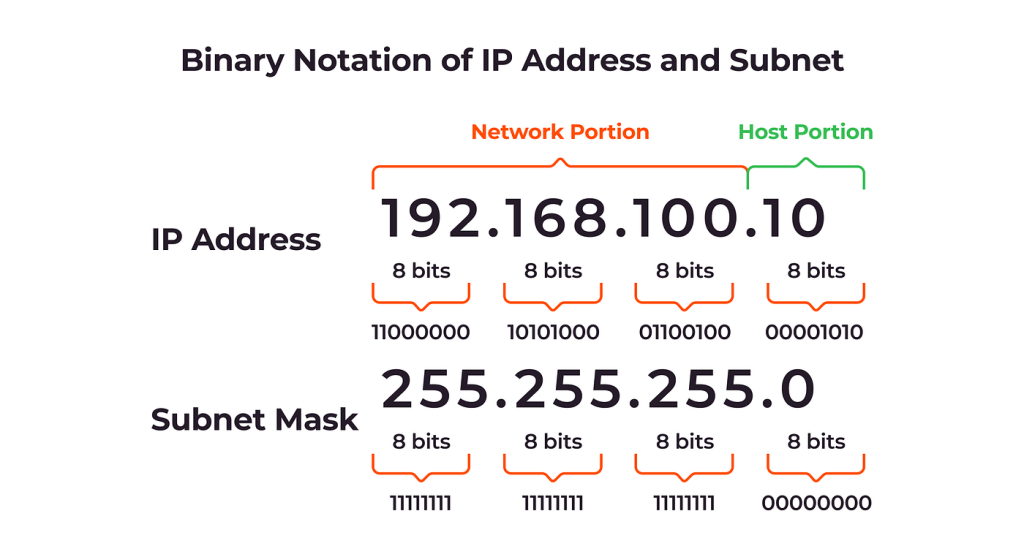
IP subnetting is considered to be a very critical and core part of any IP networking. Over these years, it has been found that a lot of people struggle a lot to understand and study as it’s never explained in a way that people can understand. Due to which the struggle a lot while dealing with IP subnetting in the field. Here we bring in for you A to Z aspects of IP subnetting explained in an easy way that anyone can understand it.
IP address and subnets
IP address or Internet Protocol is a communication protocol, which is used from the smallest private network of the huge global networks such as the internet. In short IP address is a unique identification address that is given to a device on an IP network. An IP address consists of a 32-bit number ranging from 0 to 4294967295. All these large blocks are divided into small blocks or octets in order to make it easier to handle.
A subnet is the smallest network within large networks which directly correlate with a LAN. These play a vital role in establishing a network of communication through which a network can directly communicate with other MAC addresses. Subnets are divided into two parts, the beginning part is the Network ID and the ending part is the Broadcast ID. A data is transferred through a Broadcast ID which sends it to the right address. Network ID helps to establish a connection between the networks
The subnet mask plays a very vital role in determining the size of any subnet. 255,254,252,248,240,224,192, and 128 are the special numbers which you will see over and over again in the IP networking. The first two classes with a host bit length from 0 to 16. Mostly private networks work in the 8- to 24- bit range.
The “mask” In Subnet Mask
The mask in the subnet just not determines the size of a subnet, but it also helps to point out the end points of a subnet if any IP address is given within that subnet. A subnet mask literally masks out the host bits and leaves only the Network ID. So that you can easily determine the end and the beginning of the subnet.…
How Does A TCP/IP Fire Up The Internet?
TCP/IP is a communication language of the internet which allows communication between two or more computers through various network packets. Now these packets are a compilation of small data packs which are transmitted to other users via the internet.
TCP plays a vital role in collecting a large amount of data, then compiling it into various packets and then sending it to the receiver. Where the packet transforms into a useful information.
IP protocol layer helps that packet of information to be sent and received at the location needed to be transferred. This task is basically carried out on the surface, but there’s also a whole lot of going on under the surface which helps to work out things on the surface.
Under the surface internet consists of fours abstract layers which are:
1. Link Layer which is a physical layer which interconnects the nodes and servers.
2. Internet Layer which connects the host to various other across networks.
3. Transport Layer performs all the host-host connections.
4. Application Layer ensures the communication between applications on a network.
In short all these four layers are embedded in the TC/IP to ensure that all the data packets are sent and received at the correct location.
The internet is all about communication and access to information, but as we all know that the internet is like a spider’s web which consists of a lot of connection points. So it’s very important that a right amount of information is accessed whether it’s requested from any location. For this TCP/IP is very much required as it plays a vital role in accessing the information right to your computers, no matter from where you access it.
Now to work out the internet properly it’s pretty much important that information accessed reaches where is should reach. As we all know that there are many peers and points in the internet network so the information needs to take a lot of hops to reach to its destination.
Here TCP/IP is needed to make sure that the information reaches its ideal destination and no where else. So we can say that without TC/IP one cannot transfer packets of information to their desired location and make the internet workout as it is working today.…